
Blog
Do You Need a Permit for HVAC Replacements in Colorado?
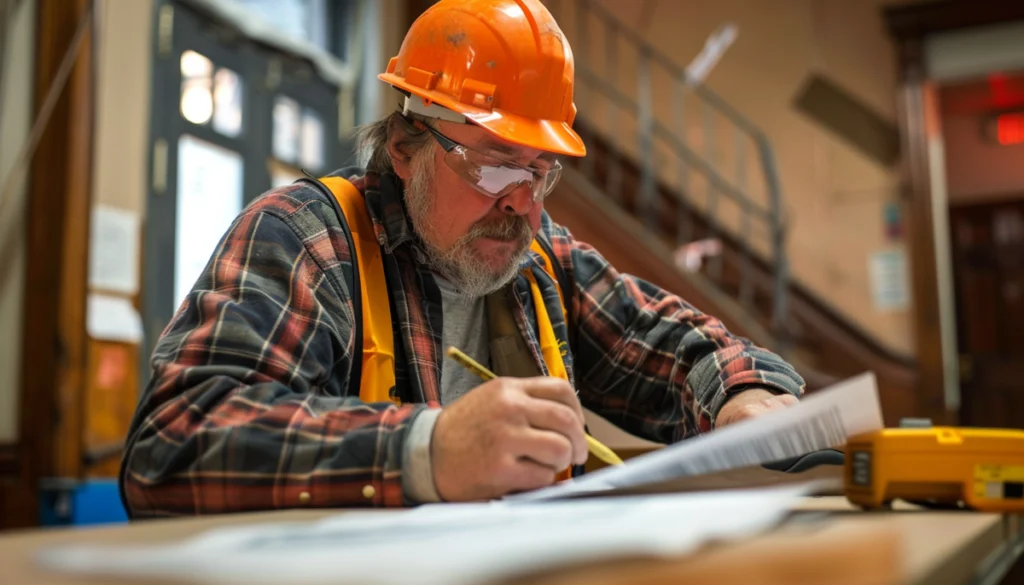
Replacing an HVAC system is a significant project for any homeowner, especially in Colorado, where temperature extremes can be challenging. Understanding the permit requirements for these kinds of replacements is crucial. HVAC systems involve complex components that can pose safety risks if improperly installed.
By obtaining the appropriate permits, you can ensure your system is installed safely and legally, avoid potential fines, and comply with local regulations. As one of Colorado’s top HVAC contractor companies, we have plenty of experience with HVAC replacement permits and requirements. This guide walks Colorado homeowners through the permit process, what your contractor should be handling, and how the rules differ depending on which city or county you live in.
The Short Answer: Are Permits Required for Colorado HVAC Replacements?
Yes, in Colorado, a permit is generally required for HVAC replacement. This ensures safety compliance with building codes and protects homeowners from fines and legal issues.
Why Permits Are Necessary
HVAC systems involve electricity, gas, and refrigerants, which can be hazardous if improperly handled. Permits ensure that installations are performed by trained professionals who adhere to safety standards, significantly reducing the risk of accidents such as electrical fires or gas leaks.
Legally, permits are mandated by local building codes and regulations. These codes vary by municipality in Colorado but universally require permits for significant HVAC work. Failure to obtain the necessary permits can lead to substantial fines and legal repercussions, including project halts and increased costs due to non-compliance.
Unpermitted work can also complicate an insurance claim or a home sale later on. If a furnace or AC install was never permitted and never inspected, you may be asked to prove it was done to code long after the fact, sometimes during a sale when there’s no time to fix it. Policies differ, so it’s worth a quick call to your insurer if you’ve inherited work you’re unsure about.
Overview of Permit Requirements in Colorado
In Colorado, permit requirements for HVAC replacements are governed by local regulations, which can vary significantly between municipalities. Generally, a permit is required for any substantial HVAC work, including replacing major components such as compressors, ductwork, forced air systems, and evaporative coolers. Specific requirements can differ from city to city, but the primary goal remains: ensuring safety and compliance with building codes.
In Denver, for instance, a permit is required to install or replace any air conditioning or heating system. This includes various equipment such as gas piping, unit heaters, and through-wall heaters. The process involves submitting detailed plans and specifications, which the local building department reviews to ensure compliance with safety and energy efficiency standards.
Closer to home, every jurisdiction we work in runs its own building department and issues its own permits. Loveland, Fort Collins, Greeley and Windsor each have their own process, and so do Larimer County and Weld County for homes outside city limits. The requirement to pull a permit holds across all of them for a furnace, air conditioner, heat pump or mini split replacement. What changes is the paperwork, the fee and how fast the inspection gets scheduled. If your home sits just outside a city boundary, the county is your permit office, not the city whose mailing address you use.
While minor installations like window AC units might not require permits, it’s always best to check with the local building department to confirm specific requirements. For larger projects, such as installing a new central air conditioning system or replacing a furnace, obtaining a permit is a legal obligation and a critical step in ensuring the safety and longevity of the installation.
Heat Pumps and Mini Splits: What’s Different About the Permit
Heat pumps and ductless mini splits both need a permit in Northern Colorado, same as a furnace or an air conditioner. What’s different is how much else comes with the permit, because both usually involve electrical work that a straight furnace swap doesn’t.
Heat pumps
If you’re replacing a heat pump with another heat pump, the permit looks a lot like an AC replacement. If you’re switching from gas heat to a heat pump, expect more. That’s a fuel switch, and it usually means a new circuit, a service panel that can carry it, and sometimes a panel upgrade with its own electrical permit. Building departments look closely at sizing here, because an undersized heat pump in a Front Range winter turns into a complaint fast.
The electrical piece matters for who does the work, too. Colorado has no statewide HVAC license, so mechanical licensing is set by your city or county, but electrical work is licensed at the state level. Ask your contractor who is pulling which permit before the job starts.
Ductless mini splits
Mini splits look simple from the outside, which is why they’re the ones homeowners most often assume are exempt. They aren’t. A mini split needs a mechanical permit, and because the indoor head, the line set and the outdoor condenser involve a wall penetration and a dedicated circuit, an electrical permit often comes with it.
The number of indoor heads matters. A single-zone system in a garage or an addition is a smaller job than a four-zone system serving a whole house, and the permit and inspection reflect that.
We install both. There’s more on our heat pump installation page and our ductless mini split page.
The Permit Application Process
Each municipality may have specific requirements, so it’s crucial to understand the exact guidelines that apply to your location. This can typically be done by visiting the local building department’s website or contacting them directly.
Once you understand the local requirements, gather the necessary documentation. This usually includes detailed plans and specifications of the HVAC system to be installed, proof of the contractor’s license, and sometimes a site plan showing the location of the new equipment. Ensuring your contractor is licensed and insured is vital, as unlicensed work can lead to significant legal and financial issues.
Next, submit your application and the required documents to the local building department. Be prepared to pay a fee, which varies depending on the scope of the work and the municipality. The application process may take some time, so it’s important to plan accordingly and factor in potential delays when scheduling your project.
What the Permit Costs, and What the Inspection Looks Like
We get asked for a flat number here and there isn’t an honest one. Mechanical permit fees in Colorado are set by each jurisdiction, and most calculate them off the value of the work, so a mini split in one room and a full system replacement don’t cost the same to permit. Loveland, Fort Collins, Greeley, Windsor, Larimer County and Weld County each publish their own fee schedule. Your contractor should have the permit fee itemized on the quote rather than folded into a lump sum, so ask for it that way.
One thing worth knowing in 2026: Colorado now requires local jurisdictions to keep their energy codes current. A 2022 state law changed how Colorado handles energy codes. Since July 2023, any city or county that updates its building codes has had to adopt the 2021 International Energy Conservation Code or something that performs at least as well. From July 1, 2026, jurisdictions that update their codes step up again, this time to Colorado’s Model Low Energy and Carbon Code, which is built on the 2024 IECC. It’s tied to when your own jurisdiction updates, so it doesn’t land everywhere on the same day. Loveland, separately, adopted the 2024 ICC code family effective July 1, 2026. Building codes and energy codes get adopted as separate acts, so ask your building department which energy code applies to your permit rather than assuming the two moved together. In practice that means equipment efficiency and things like electric-ready wiring get more attention at plan review than they did a few years back. It’s another reason the answer you find in an older article may not match what your building department tells you today.
Plan on the paperwork taking a little time. Loveland currently estimates 20 to 30 working days per round of plan review, and other jurisdictions run their own timelines. That matters most if your system is already down, so tell your contractor up front if you’re without heat or cooling.
The inspection itself is usually short. An inspector checks that the equipment matches what the permit described, that the gas or electrical connections are right, that venting and combustion air are correct, and that condensate drains where it should. If something’s off, you get a correction notice and a re-inspection rather than a fine. The permit stays open until it passes, which is exactly why you want it closed out before you ever try to sell the house.
The Role of HVAC Technicians
HVAC technicians play a crucial role in obtaining permits for HVAC replacements. Typically, it is the responsibility of the licensed HVAC technician or contractor to handle the permit application process on behalf of the homeowner. This includes preparing and submitting all necessary documentation to the local building department, coordinating inspections, and ensuring the installation complies with all relevant codes and standards.
Licensed contractors already know the local building codes and permit requirements, because they work inside them every week. They are also obligated to perform work that meets safety and quality standards, reducing the risk of errors and ensuring the longevity and efficiency of the HVAC system.
Common Questions and Misconceptions
Homeowners ask us about DIY installs more than anything else on this subject, and the answer isn’t a flat no. The rules differ by city. Loveland, for example, lets a homeowner do the work on the home that’s their primary residence, as long as a homeowner affidavit is on file. Other jurisdictions only issue mechanical permits to a licensed contractor. So the first call is to your own building department, not to a general rule you read online. Attempting a DIY installation without proper permits can lead to significant safety risks and legal issues.
Another common misconception is that permits are only required for large projects. In reality, permits are often necessary for various HVAC-related tasks, including replacing furnaces and air conditioning units and installing ductless mini-split systems. While minor tasks like installing a window AC unit may not require a permit, most substantial HVAC work will.
Permit Questions We Hear Most
Do I need a permit to replace my AC unit?
Yes, in every jurisdiction we’ve checked, and that includes a like-for-like swap in the same spot. What it’s called changes from place to place: Fort Collins issues a mechanical permit, Loveland an HVAC fast track permit, Larimer County a miscellaneous permit. Portable units are generally exempt. A window or through-the-wall unit isn’t automatically portable, so ask before you assume yours is. Codes get updated, so we confirm with your building department before every install rather than going off a list.
Do you need a permit to install a heat pump?
Yes, and usually an electrical permit alongside it. If you’re switching from gas heat to a heat pump, the electrical side is the bigger part of the job, and a panel upgrade brings its own permit.
Do you need a permit to install a mini split?
Yes. This is the one people most often assume is exempt, because the equipment is small and there’s no ductwork. A mini split still involves a refrigerant line set, a wall penetration and a dedicated circuit, so it gets permitted like any other mechanical work.
Can I pull the permit myself instead of my contractor?
It depends where you live. Loveland allows a homeowner to do the work on their own primary residence with a homeowner affidavit on file. Other jurisdictions only issue mechanical permits to licensed contractors. Call your building department first, because the rules genuinely differ from city to city.
What happens if the previous owner did unpermitted work?
It usually surfaces during a sale or an insurance claim. Most jurisdictions have a way to permit existing work after the fact, which typically means opening things up so an inspector can see the connections. It’s more work than permitting it the first time, but it’s fixable.
Who pulls the permit, me or the contractor?
Your contractor, on nearly every job. A licensed contractor files the application, schedules the inspection and closes the permit out. If a contractor suggests skipping it, or asks you to pull it in your name for a job they’re doing, treat that as a warning sign.
Final Thoughts on Colorado HVAC Permits
Obtaining permits for HVAC replacements in Colorado ensures safety, legal compliance, and peace of mind. Permits protect homeowners from potential hazards, legal issues, and insurance complications. Work with a licensed HVAC professional and the permit process is mostly handled for you, with the work meeting local building codes and passing inspection.
This protects your investment and enhances the long-term performance and safety of the HVAC system. Always consult local authorities and professional technicians to stay informed and compliant with the latest regulations.
Questions About a Permit on Your Own Replacement?
We’re family-owned, based in Loveland, and we’ve been pulling permits in Northern Colorado since 2018. Our skilled plumbers and HVAC contractors handle the application, the inspection scheduling and the close-out as part of the job, so the permit isn’t something you have to chase.
If you’re planning a furnace, air conditioner, heat pump or mini split replacement and you want to know what the permit looks like in your specific city or county, call us at 970-775-7321 or reach out through our contact page. Our office hours are Monday through Friday, 7:00am to 5:00pm. Happy to walk you through it.