
Furnace Repair in Northern Colorado
Furnace Repair Experts You Can Trust in Northern Colorado
CONTACT US TODAY
Wellington and other nearby communities, and we do it with safety, prompt service and transparent pricing. When your heat quits on a cold night, we work quickly to schedule diagnostics as soon as possible and send licensed, certified technicians who focus on getting your home warm again with clear communication and no surprises.
Here you will see the most common furnace problems we repair, a simple safety checklist you can follow before we arrive, an overview of our transparent pricing with clear estimates, and a step by step look at what happens during a service visit.. If you need immediate help, call us now or request service online so we can schedule a diagnostic visit as soon as possible.
We repair furnaces across Northern Colorado, including Fort Collins, Loveland, Windsor, Wellington and other nearby communities.
Why Choose Our Furnace Repair Team
We know Northern Colorado weather puts extra stress on furnaces, and that experience shows in how we work. Here’s why homeowners call us first:
- Local response and coverage: Prompt scheduling across Northern Colorado communities like Fort Collins, Loveland, Windsor and Wellington during our regular business hours.
- Qualified technicians: Licensed, certified professionals who follow manufacturer guidelines and local safety codes.
- On-truck tools and supplies: Our technicians arrive prepared with the tools and common materials needed to complete most repairs in a single visit whenever possible.
- Transparent pricing and warranties: Written estimates, clear repair versus replacement options, and a 1 year labor warranty on our work, with equipment warranties that vary by manufacturer.
- Customer‑first process: We protect your home with floor coverings, explain findings in plain language, and leave the work area clean.
If you want, we’ll get you back up and running and explain your options before any work begins.
What to Expect on a Service Visit
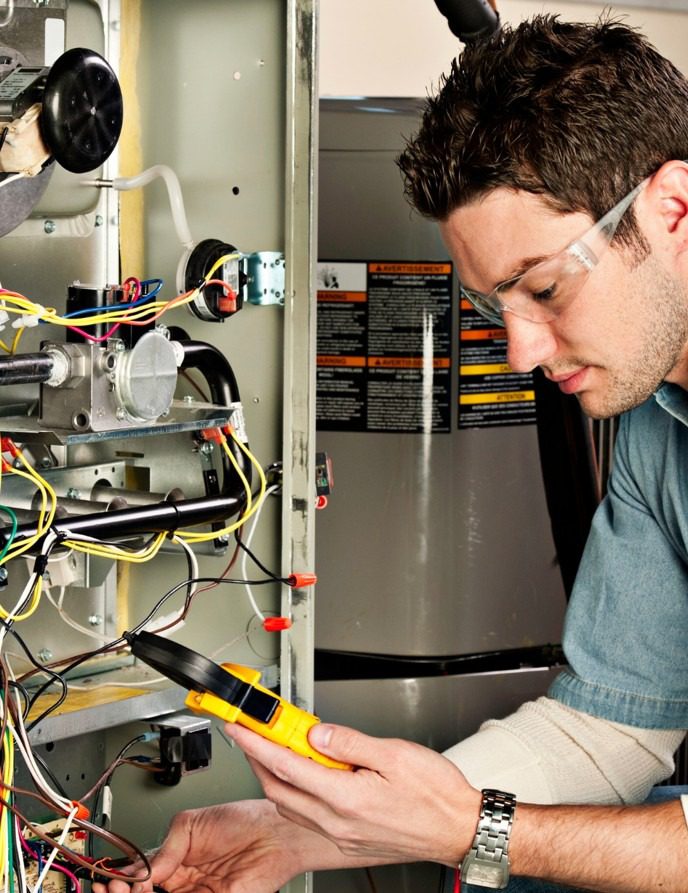
When we arrive, our goal is to diagnose clearly and safely, then explain your options. Here’s the typical flow of a standard visit:
- Arrival and setup
- Technician introduces themselves, lays down floor protection, and confirms your contact and access needs.
- Safety and quick scan
- Check for gas odors, signs of carbon monoxide issues, visible corrosion, and other safety hazards.
- Diagnostic phase
- Review system history with you, test thermostat and electrical, run ignition sequence, inspect burners/heat exchanger, check venting, measure airflow and capture any error codes.
- Review findings and estimate
- We show failed parts or photos, explain the root cause in plain language, and walk you through clear repair or replacement options with a written estimate before any work begins.
- Repair, testing & cleanup (variable)
- If you approve, we complete the work, retest the system, and leave the area clean.
- Paperwork and follow up
- Itemized invoice, warranty details, and maintenance recommendations.
Diagnostic visits vary based on the age and condition of your system, but our goal is to diagnose the problem efficiently and get you clear answers as quickly as we can. If your situation is urgent, let our team know when you call so we can talk through scheduling options and review pricing details with you before any work begins.
Maintenance & Seasonal Care Tips
Pricing, Timelines, and Repair Versus Replacement Guidance
We believe in straightforward, local pricing so you are never surprised. Instead of one-size-fits-all numbers, we provide a free quote after we inspect your system and walk you through the options before any work starts.
Your final cost depends on the age and condition of your furnace, the parts required and how complex the repair is. Our team explains repair and replacement options side by side so you can choose what makes sense for your home and budget.
When to consider replacement:
- An older furnace that is starting to break down more often.
- Major repairs that are beginning to add up compared to the cost of a new system.
- Safety concerns such as a suspected cracked heat exchanger or carbon monoxide alerts.
- Rising energy bills and a desire to upgrade to a higher efficiency system
We always present repair versus replacement as clear choices, review warranty terms, and talk through any permit requirements in your city or county. Our team can also walk you through available financing on qualifying installations and discuss maintenance options so you can plan the work around your budget. If any additional fees apply, we explain them before we get started so there are no surprises. We keep pricing transparent with clear estimates up front, then review any financing or maintenance options that may apply to your project.
Safety, Codes, and Carbon‑monoxide (CO) Guidance
Safety is our top priority. Some furnace problems are not just inconvenient, they can be dangerous. We keep safety at the center of every furnace visit and include safety and venting checks as part of our diagnostics to help protect your family.
Key safety points we follow and recommend:
- Carbon monoxide (CO) checks: We pay close attention to signs of possible carbon monoxide issues and recommend properly placed CO detectors in the home. If we suspect a carbon monoxide problem, we will advise you to shut the system down and contact emergency services or your gas utility right away.
- Heat exchanger risks: A cracked heat exchanger can allow combustion gases into your home. This condition usually requires system replacement, do not try to patch it.
- Gas leaks: If you smell gas, evacuate immediately, call 911 and your gas utility, and do not operate electrical switches, phones, or the furnace.
- Codes and permits: Major repairs or replacements may require local permits and inspections, and our team installs to code and helps you navigate any required paperwork with your city or county.
Do not (safety list)
- Don’t attempt to repair gas valves, heat exchangers, or sealed combustion parts yourself.
- Don’t bypass safety switches or use the system if you suspect CO or a gas leak.
Homeowner Checklist: Safe Troubleshooting and Simple Checks Before You Call
Before you call, you can run a few simple checks to help us diagnose faster. Safety comes first, so if you notice a gas odor, your carbon monoxide alarm sounds, or anything feels unsafe, leave the area and call for help right away.
Quick checklist before you call:
Thermostat check
- Make sure the thermostat is set to HEAT, raise the set temperature a few degrees above the current room temperature, and replace the batteries if it uses them.
Power and breaker
- Verify the furnace switch is ON and the circuit breaker hasn’t tripped.
Air filter
- Inspect and replace a dirty filter; a clogged filter can cause shutdowns or short cycling.
Error codes & photos
- Note or photograph any error codes or lights on the furnace control board.
Vents and registers
- Ensure supply registers are open and not blocked by furniture.
Simple reset (only if manufacturer advises)
- Turn power off at the switch for 30 seconds then back on; if no guidance, don’t reset.
When to call us immediately:
- CO alarm sounds, persistent gas odor, sparks or smoke, loud bangs at ignition, or visible rust, staining, or damage around the furnace or vent pipes.
If you complete these checks, tell us what you found when you call, photos and notes speed up our diagnosis and help get your heat back on sooner.
Frequently Asked Questions:
Areas We Service
Ready for Furnace Repair You Can Trust?
For fast, reliable service, contact 1st Action Plumbing, Heating & Air at 970-775-7321 or request your free quote online. We’ll get your furnace running efficiently so your home stays comfortable through Northern Colorado winters.