
Blog
What Does Heat Pump Installation Cost in Colorado?
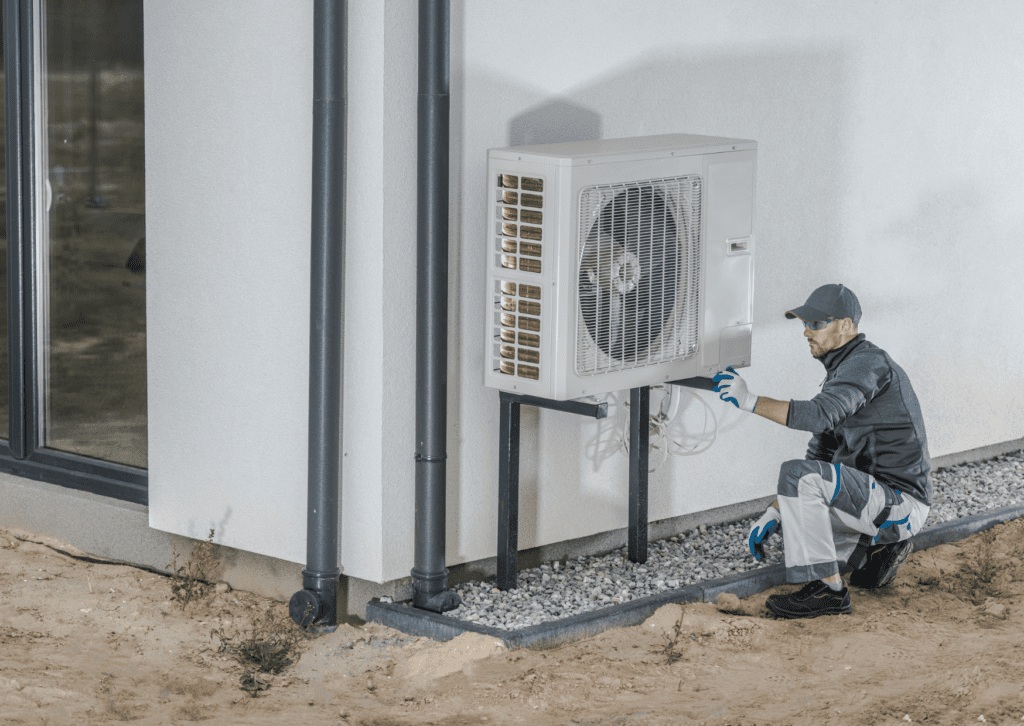
Colorado’s climate can make a single-purpose HVAC system less practical for year-round comfort. Summer temperatures on the Front Range routinely reach the 90s, and winter temperatures in Loveland, Greeley, and the surrounding areas often fall well below freezing. Heat pumps are becoming more common here because they provide heating and cooling with one unit. If you’re weighing the switch, it helps to start with a clear picture of HVAC system costs in Colorado, then get specific on heat pump pricing below.
Quick Answer: How Much Should Colorado Homeowners Budget for Heat Pump Installation?
Many standard air-source heat pump installations in Colorado may fall between $4,500 and $12,000, but full system replacements, ductless mini-split projects, electrical upgrades, or ductwork changes can push Northern Colorado projects above that range. Homes needing new ductwork, ductless zoning, a full system replacement, or an electrical panel upgrade can move above that range, so the quote should separate base equipment from add-on work. A licensed HVAC contractor can pin down the number for your home after a proper assessment.
What Drives Heat Pump Installation Cost
Several factors affect the final number. None are complicated once you understand them, but underestimating any one of them will throw your budget off.
Equipment Type
Two main categories cover most Colorado homes:
- Air-source heat pumps: Move heat from outdoor air into the home in winter and move heat from indoor air outside in summer. Equipment-only costs can range from $3,500 to $8,000+ depending on capacity and efficiency rating, but installed local costs are higher once labor, permits, electrical work, ductwork, and system configuration are included.
- Geothermal heat pumps: Extremely efficient but require drilling or horizontal trenching. Total installed cost often runs $15,000 to $30,000+.
For most Northern Colorado homeowners, air-source is the practical choice. Geothermal makes sense on larger properties with the right site conditions, but that’s a smaller slice of the market.
Cold-Climate Performance Ratings
Standard heat pumps lose efficiency as outdoor temperatures drop. That weakness becomes clear during Colorado winters. Cold-climate models, sometimes marketed as “hyper-heat” systems, maintain strong output even below 0 degrees F. They may cost more upfront than standard models, but they are designed to maintain better heating performance in cold weather than standard heat pumps. Look at the Heating Seasonal Performance Factor (HSPF2) when comparing units. Don’t shop on plain ENERGY STAR certification alone. For heating it’s a fairly low bar: a split system only needs an HSPF2 of 7.8, and a packaged unit 7.2. What you want in a Colorado winter is the ENERGY STAR Cold Climate label. That’s a separate, tougher certification, and it asks for at least 8.1 HSPF2 on a ducted system or 8.5 on a ductless one. It also makes the equipment prove it still puts out at least 70 percent of its rated heat when it’s 5 degrees outside, which is the part that keeps your backup heat strips from running all February. The old federal tax credit is gone, but that label isn’t, and it’s still what we’d tell you to shop for. In Colorado, those thresholds actually matter.
Home Size and Existing Ductwork
Proper sizing matters as much as equipment quality. Contractors calculate the right capacity using a Manual J load calculation, accounting for square footage, insulation, ceiling height, and window placement. Choosing the right size HVAC unit explains why an oversized system actually costs more to run than a properly sized one.
If your home has no existing ductwork, budget this as a separate major cost variable because new ductwork or a ductless mini-split setup can push the total installed project well above a basic heat pump replacement. That’s the single largest cost variable for homes without ducts.
Labor
HVAC labor in Northern Colorado runs $75 to $150 per hour. A straightforward swap-out, replacing an existing furnace and AC with a heat pump, typically takes one to two days. Jobs involving new ductwork, gas line removal, or electrical work run longer and cost more.
The Part Most Homeowners Don’t Budget For: Electrical Upgrades
Heat pump installation may require electrical work, especially in older homes.
Key things to know:
- Heat pumps typically operate on 240V and draw significant amperage.
- Older homes may not have enough panel capacity for a new heat pump system.
- Homes with electrical panels already near capacity may need an upgrade before installation can move forward.
- Panel upgrades often range from $1,500 to $4,000, depending on amperage, access, and the condition of the existing setup.
- Ask your contractor to check your panel capacity during the estimate.
- This only takes a few minutes, but it can prevent:
- Mid-project delays
- Unexpected electrical invoices
- Installation issues once the job is already underway
This step gets skipped on too many projects, and it can create real problems when it comes up mid-job.
Permits and Inspections in Colorado
Colorado requires permits for HVAC replacements and new installations. This isn’t optional. Skipping the permit creates problems at resale, with insurance claims, and with manufacturer warranties. HVAC permit requirements in Colorado covers what local inspectors look for and when you need one. Your contractor should pull the permit as part of the project. If they don’t bring it up, ask directly. Permit fees typically run $100 to $400 and are usually folded into your quote.
Timing the Installation Right
Heat pump installs tend to be cheaper and faster to schedule in spring and fall, when HVAC companies aren’t slammed with emergency calls. The best month to replace your HVAC in Loveland gets specific on timing. If your current system is still working, booking off-peak is one of the easiest ways to get faster scheduling and sometimes a better price.
What to Upgrade While You’re At It
A new heat pump is a smart time to review what else in your HVAC setup could use attention. Smart thermostats, duct sealing, zoning systems, and improved air filtration all work better paired with newer, properly sized equipment. The best HVAC upgrades for your home covers which improvements deliver the most value and which ones can wait.
Tax Credits and Colorado Rebates: Where Things Stand in 2026
The federal Section 25C credit, the one that covered 30 percent of a qualifying heat pump install up to $2,000, ended for anything placed in service after December 31, 2025. If your system went in during 2025, you claim it on that year’s return. If you’re installing in 2026, don’t budget around it.
What’s still available is local, and which program you use depends on who bills you for electricity. That changes from town to town here. If you’re in Loveland, Fort Collins or Estes Park, your power comes from your city’s own utility and heat pump rebates run through Efficiency Works. If you’re in Greeley, most of Berthoud, or parts of Windsor and Johnstown, you’re likely an Xcel Energy customer, so check Xcel’s residential rebate page instead. Some addresses in Windsor and Johnstown are on a rural co-op, Poudre Valley REA or United Power, and those run their own programs. One that catches Loveland homeowners out: Xcel is probably your natural gas company, but it isn’t your electric company, and heat pump rebates follow your electric service. Amounts, caps and deadlines shift during the year and funding is limited, so check the current program terms before you sign anything rather than trusting a figure you read months ago. We’ll tell you what your specific equipment qualifies for when we quote the job. There’s more in our post on 2026 heat pump rebates in Loveland.
Final Thoughts on Heat Pump Installation Cost in Colorado
Heat pump installation in Colorado can fall between $4,500 and $12,000 for many standard air-source projects, but Northern Colorado homeowners should budget higher for ductless systems, full HVAC replacement, new ductwork, or electrical upgrades. Cold-climate models and electrical panel upgrades are the two line items most people don’t plan for. Factor those in early, check which local rebates your equipment qualifies for, and get quotes from contractors who pull permits and size equipment correctly.
1st Action Plumbing Heating & Air is family-owned, based in Loveland, and we’ve been installing and servicing heat pumps across Northern Colorado since 2018. We pull permits, size equipment with proper load calculations, and give you a straight quote before any work starts. Book online or call us to schedule your estimate.