
Blog
How Much is an HVAC System in Colorado?
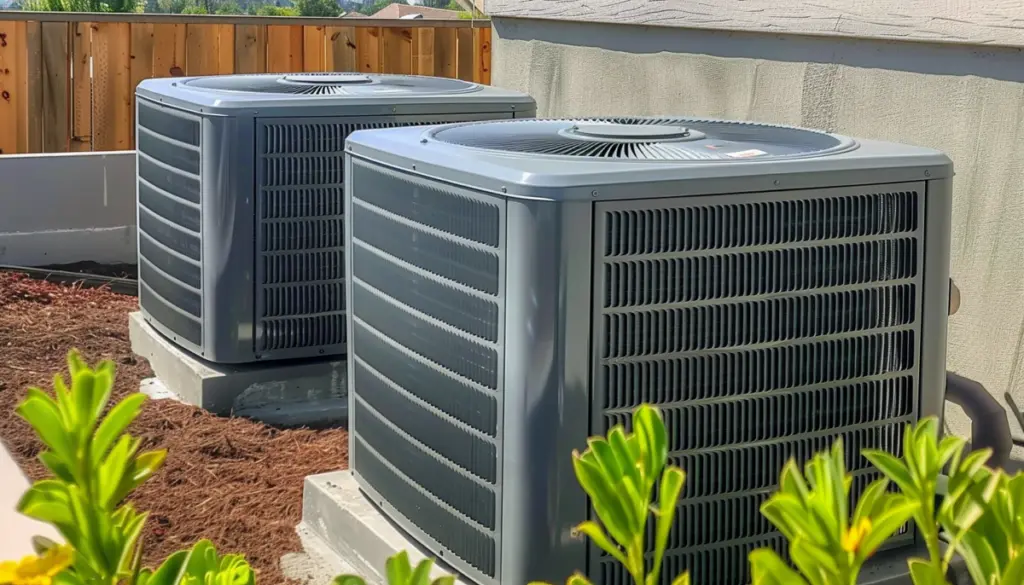
If you’re thinking of calling us or another HVAC contractor for a new system, you’re likely sweating bullets over the potential cost. Between Front Range winters and summer heat, your furnace and air conditioner both earn their keep here, so you want a system that runs well and doesn’t waste energy. Still, costs for these types of replacements are rarely cheap.
To save you a surprise, we put together this helpful guide covering average costs for HVAC systems in Colorado. However, it’s important to note that every case is different, so your cost may be different than what is outlined here.
The Short Answer
For an HVAC system in Colorado, homeowners can expect the installation cost to generally range between $3,500 and $15,000+, with a per-square-foot cost averaging around $3 to $6. This range accommodates system type, home size, and efficiency levels. Precise costs can vary, so it’s advisable to reach out to us for a quote.
Factors Influencing HVAC System Costs
Home Size and Scope of Work: The size of your home plays a critical role in determining the size and cost of an HVAC system in Colorado. Larger homes require systems with greater capacity to efficiently heat and cool the entire space, which can increase the overall cost. Additionally, the project’s scope has a big effect on the price, whether it’s a straight swap of existing equipment or a full installation with new ductwork. Complex installations requiring extensive labor, such as running new ductwork or modifying high-efficiency systems, can increase costs further.
Type of System and Efficiency: The choice between different HVAC system types (e.g., furnaces, air conditioners, heat pumps) and their efficiency levels is another major cost determinant. High-efficiency models, while more expensive upfront, offer long-term savings through reduced energy bills. A furnace’s efficiency is measured by its AFUE (Annual Fuel Utilization Efficiency) rating. Air conditioners and heat pumps are rated in SEER2 now, and heat pumps also carry an HSPF2 rating for heating. Any central air conditioner built since January 1, 2023 has to meet a federal minimum, and for most home-sized split systems (under about 3.75 tons) that’s 13.4 SEER2. A higher rating means a more efficient system and, usually, a higher price up front. If you’re looking at a heat pump, ask for one with the ENERGY STAR Cold Climate label. To earn it, a heat pump has to hold on to at least 70 percent of its heating capacity when it’s 5 degrees outside, compared with its output at 47 degrees. That’s the part that matters in a Northern Colorado winter.
Cost Breakdown: Furnace and Air Conditioner Installation
Furnace Installation Costs: Furnace costs can vary widely based on efficiency, type, and fuel source. For instance, standard-efficiency gas furnaces cost less up front than high-efficiency models, and electric furnaces are priced differently again. Your AFUE rating, the size of the furnace, and how much venting or gas line work the install needs all move the number. The desired features, such as compatibility with heat pumps or variable-speed blowers, can influence the final price.
Air Conditioner Installation Costs: Like furnaces, the cost of air conditioner installations depends on the unit’s size (in tons), its SEER2 rating, and extras like variable speed or quieter operation. A system at the federal minimum (13.4 SEER2 for most home-sized split systems) is the starting point, and higher-efficiency and variable-speed models cost more. If you’re weighing a heat pump for both heating and cooling, we break down those costs in our post on what heat pump installation costs in Colorado.
The Refrigerant Change and What It Means for Your Quote
If you’ve priced a new air conditioner or heat pump lately, the refrigerant is part of the story. For years, home systems ran on R-410A. Equipment for new R-410A home systems couldn’t be manufactured in or imported into the U.S. after January 1, 2025, and new systems now use replacement refrigerants such as R-454B or R-32.
You may still see R-410A systems quoted in 2026, and that’s legal. Under an EPA rule that took effect July 27, 2026, equipment built or imported before that 2025 cutoff can still be installed. It could cost less, but that stock is limited and shrinking, and EPA has said the price of older refrigerants like R-410A may rise as the phasedown continues. That matters for repairs down the road.
When you compare quotes, ask:
- Which refrigerant does the new system use?
- Does the quote replace the indoor coil along with the outdoor unit? An older coil may not be matched to a new outdoor unit, especially across the refrigerant change.
- Who handles the refrigerant? Anyone who opens up the refrigerant side of a system, whether to service it or to take the old one out, has to be an EPA-certified technician.
Ask us any of these on a free estimate.
Additional Costs to Consider
When planning for an HVAC system installation in Colorado, it’s essential to look beyond the initial price tag of the furnace or air conditioner unit. Additional costs can impact the investment required for a comfortable and efficient home climate control solution.
- Warranties: Extended warranties can offer peace of mind but come with an upfront cost. Manufacturer warranties cover parts for a certain period, and some contractors offer additional labor warranties. Considering the potential savings from future repairs or replacements can make these warranties a wise investment.
- Permits and Inspections: Most local jurisdictions require a permit for a furnace or AC replacement. Larimer County’s building department, for example, requires a Miscellaneous Permit for an air conditioning or furnace installation or replacement. If your home is inside city limits, your city’s building department usually issues it instead, with its own fees. Ask for the permit fee to be itemized on your quote, and see our post on HVAC permits in Colorado for how it works where you live.
- Repairs and Upgrades: If you’re replacing an existing system, perhaps because your AC stopped blowing cold air, unexpected repairs or upgrades may be necessary. For example, older homes might need ductwork repairs or electrical system upgrades to accommodate a new, more efficient HVAC system.
Tips for Homeowners
Navigating the costs and options for HVAC installations can be overwhelming. Here are some tips to help Colorado homeowners make informed decisions and potentially save money:
- Look for Rebates and Incentives: The federal tax credit for energy-efficient home improvements, including heating and cooling equipment (Section 25C), only covered improvements made through December 31, 2025, so don’t count on it for a 2026 install. Local rebates are still around, and which ones you qualify for depends on who provides your electricity. In Loveland, the electric utility is the city’s own, and its efficiency rebates run through Efficiency Works. Programs and amounts change during the year, so check our 2026 heat pump rebates post for the latest on heat pump rebates.
- Don’t Overlook Efficiency for Price: While high-efficiency systems have a higher initial cost, they can significantly save energy bills over time. Balancing the upfront cost with potential long-term savings is crucial.
- Regular Maintenance: Once your system is installed, regular maintenance can extend its life and ensure it runs efficiently, saving money on energy bills and avoiding costly repairs.
- See if Your Homeowner’s Insurance Will Cover It: In some cases, homeowner’s insurance will cover your replacement.
HVAC Cost in Colorado: Final Thoughts
Choosing and installing an HVAC system in Colorado is a significant investment that affects your home’s comfort, energy efficiency, and long-term expenses. Understanding the various factors that impact the cost of an HVAC system, such as the size of your home, the type of system chosen, its efficiency, and the complexity of the installation process, can help you make informed decisions that cater to your specific needs and budget constraints.
If you’ve found yourself in need of an HVAC repair or replacement in Colorado, make sure to give us a call so we can get you squared away.We’re family-owned, based in Loveland, and we’ve been handling plumbing, heating and air for Northern Colorado since 2018. Estimates are free, financing is available, and our installation labor is backed by a 1-year warranty. If you’d like a real number for your home instead of a national average, contact us and we’ll take a look.